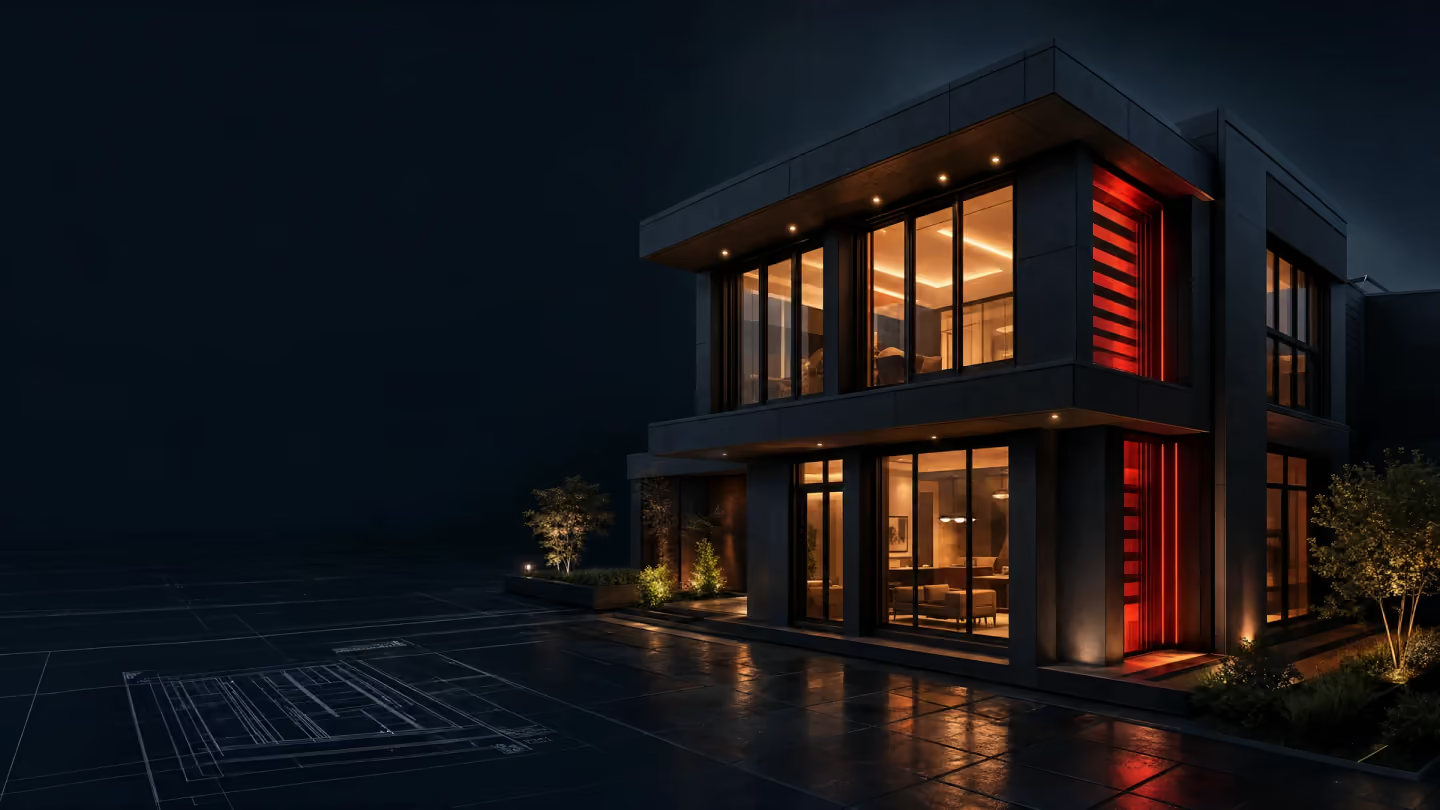
New black-framed energy-efficient windows glowing warmly in a dark contemporary facade

Replacement Windows

Expert replacement window installation.

Energy-efficient replacement windows and sliding doors, installed with transparent pricing and the glass specs that matter in Texas.

  • Veteran-owned
  • Five-state service
  • Free inspection

Replacement Windows, clearly scoped.

CMAC makes your house warmer and more comfortable with energy-efficient replacement windows and sliding doors, with affordable and transparent pricing.

Windows are the weakest thermal point in any wall and one of the two places water most reliably gets in. Replacing them well is partly a product decision and largely an installation decision, and the two questions that decide the job are how the window is set into the opening and what the glass package is.

01SCOPE MODULE

Insert replacement or full-frame replacement

An insert — also called a pocket or retrofit replacement — removes the old sash and hardware and fits a new complete window inside the existing frame, which stays in the wall. The exterior trim, siding, and interior casing are left undisturbed. It is faster, cleaner, and less expensive, and it is the right choice when the existing frame and the sill beneath it are structurally sound and dry. The cost is glass area: the new frame sits inside the old one, so the visible glass shrinks by an inch or more per side.

A full-frame replacement takes everything out down to the rough opening — frame, sill, and all — and installs a new window with a nailing flange that gets integrated into the wall’s water barrier. It is required, not optional, when the existing frame is rotted or corroded, when the sill or the framing below shows water damage, when the original installation was never flashed correctly, when the opening is being resized, or when the existing frame is out of square enough that an insert would never seal. It is the only version that lets the installer actually flash the opening, which is why it is the honest answer on a house with a history of leaks at the windows.

02SCOPE MODULE

Frame materials

  • Vinyl — the volume choice. It insulates well because the frame is hollow and chambered, it never needs finishing, and it costs the least. It expands and contracts more than the other materials, and dark exterior colors on a large west-facing window are where that shows.
  • Fiberglass — dimensionally stable, strong enough to support narrow sightlines and large units, and its expansion rate is close to that of glass, which reduces stress on the seal over decades. It costs more than vinyl and less than wood-clad.
  • Aluminum — strong, thin-profiled, and durable, but a conductor. Older aluminum windows without a thermal break are the reason so many Texas houses have sweating window frames in winter. Modern thermally broken aluminum performs far better and remains common on commercial and contemporary residential work.
  • Wood-clad — a wood interior for appearance with an aluminum, fiberglass, or vinyl exterior skin for weather. The premium option, and the usual choice where interior millwork matters.
03SCOPE MODULE

What is actually in the glass

An insulated glass unit is two or three panes separated by a spacer, sealed at the perimeter, with the cavity filled with an inert gas — usually argon, sometimes krypton in thinner cavities. The gas is denser than air, so it slows heat transfer across the gap. Triple glazing adds a third pane and a second cavity. In northern climates the gain is substantial; across Texas and the Southeast the return over a good double-glazed unit is much smaller, and the weight and cost increase is real, so double glazing with a strong coating is usually the better value here.

Low-emissivity coatings are the part that matters most. Low-E is a microscopically thin metallic layer on one of the glass surfaces that reflects long-wave infrared while passing visible light. Which surface it goes on changes what it does — a coating tuned for a heating climate keeps interior heat in, while a coating tuned for a cooling climate rejects solar heat before it enters. For most of CMAC’s service area you want the cooling-climate version.

04SCOPE MODULE

U-factor and SHGC, and which one matters here

Two numbers appear on every window label. U-factor measures how readily heat conducts through the whole window assembly, frame included; lower is better, and it is the number that governs performance when there is a temperature difference across the glass — which is to say, in winter, at night, and in heating climates.

Solar Heat Gain Coefficient measures the fraction of solar energy striking the window that ends up as heat inside. It runs from zero to one, and lower is better in a cooling climate. This is the number that matters most across Texas, Oklahoma, Arkansas, the Southeast, and anywhere else with long, hot, sunny cooling seasons. The reason is simply where the energy comes from: in a hot climate the dominant load on your air conditioner is sunlight coming through glass, not conduction through it. A window with an excellent U-factor and a high SHGC will still cook a west-facing room all afternoon. Orientation compounds it — south and especially west glass takes the most direct load, and that is where a low SHGC pays for itself fastest.

Visible transmittance is worth checking alongside SHGC, because it tells you how much daylight you keep. Modern spectrally selective coatings hold visible light reasonably high while pushing SHGC low, which is what lets you cut solar gain without living in a dim room.

05SCOPE MODULE

Foggy glass and failed seals

Haze or moisture between the panes that you cannot wipe off from either side means the perimeter seal on the insulated glass unit has failed. Once the seal opens, the inert gas fill escapes and humid outside air moves in and out with daily pressure and temperature cycling. The desiccant in the spacer absorbs moisture until it is saturated, and after that the unit fogs on cool mornings and clears in the afternoon, gradually progressing to permanent haze and mineral staining etched into the interior glass surface.

Two things follow. First, the insulating performance you paid for is gone — the cavity is air, not argon. Second, it does not heal, and no cleaning reaches it. Seal failure is accelerated by heat cycling, by standing water in a sill that does not drain, and by south and west exposure, which is why fogged units on a Texas house so often appear on one elevation first.

06SCOPE MODULE

Sliding doors

Sliding patio doors are large horizontal openings low on the wall, which is a demanding condition. The sill sits where wind-driven rain collects, so the pan flashing and the weep path under the track carry most of the burden. Operation problems are usually rollers or track, not the panel, and doors that need shoulder pressure to move are running on flat-spotted rollers or in a track packed with grit. Foggy glass in a slider is the same insulated-unit failure as any window, on a much larger and more visible pane.

What replacement windows includes

Insert or full-frame

We tell you which the opening actually requires, and why, before anything is ordered.

Glass specified for heat

Low-E packages chosen for a cooling climate, where SHGC matters more than U-factor.

Sliding doors included

Replacement sliding patio doors installed with proper sill pan and weep detailing.

Failed seals diagnosed

Fogged units are identified as seal failures, not written off as dirty glass.

Transparent pricing

A written, itemized estimate covering unit, installation, and finish work.

The CMAC process for replacement windows

  1. 1

    Schedule

    Tell us what is happening at your property.

  2. 2

    Inspect

    We document the property and affected systems carefully.

  3. 3

    Plan

    Review a clear scope and written proposal.

  4. 4

    Build

    The CMAC team completes the approved work.

  5. 5

    Confirm

    A final walkthrough closes out the project.

Replacement Windows questions

What kind of company is CMAC?

CMAC Roofing and Sheet Metal LLC is a veteran-owned and operated construction and remodeling company founded by Christian Viveiros. We handle roofing, gutters, garage doors, restoration, and exterior work for residential, commercial, and multi-family properties. We are a GAF Master Elite® certified contractor and a GAF President’s Club award winner.

What states does CMAC serve?

Five: Texas, Oklahoma, Arkansas, Tennessee, and Georgia. CMAC publishes office addresses and local contact information for Dallas–Fort Worth (Haslet), Houston (Rosenberg), Austin (Georgetown), Oklahoma City, and Nashville. Arkansas and Georgia inquiries route through the regional line; no walk-in office is published in either state.

What are CMAC’s core principles?

Earn the customer’s trust, use only quality materials, and deliver exceptional workmanship. The company operates under the motto “Integrity Truly Matters,” and the practical version of that is simple: document what we find honestly, quote what the job actually requires, and stand behind the work after the crew leaves.

What does GAF Master Elite® mean?

GAF awards Master Elite® status to a small fraction of roofing contractors in North America. It requires proof of proper licensing, adequate insurance, and a sustained record of quality installations and customer satisfaction. Practically, it means CMAC can offer enhanced GAF system warranties that non-certified contractors cannot, and that GAF has independently vetted the company. CMAC is also a GAF President’s Club award winner.

How much does a new roof cost?

There is no honest answer to that question without seeing the roof. Price is driven by measured square footage, the pitch and complexity of the roof, how many layers have to come off, how much decking has turned out to be rotten, the material system you choose, and whether the work is going through an insurance claim or being paid out of pocket. That is why CMAC inspects and measures before quoting rather than publishing a per-square number that would be wrong for most homes. The inspection and the written estimate are both free.

Do you charge for an inspection or an estimate?

No. The inspection, the damage documentation including drone photography, and the written estimate are all free and carry no obligation. If the roof does not need work, we will tell you that.

Start with a free inspection.

Tell CMAC what is happening at the property. We will inspect the condition and put the recommended scope in writing.